How FibroScan Helps Manage Fatty Liver Disease Safely and Painlessly
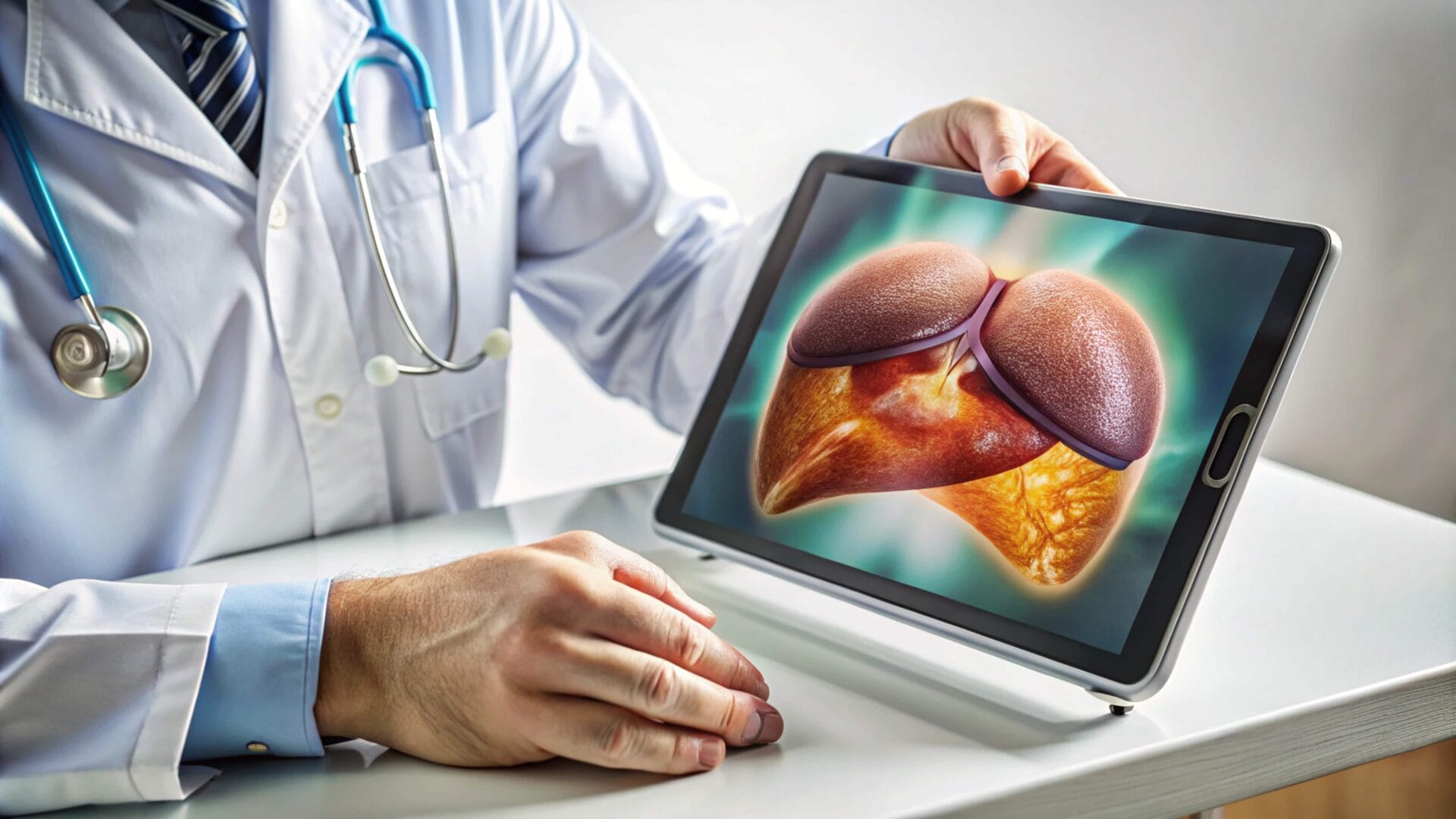
Understanding what a liver fibroscan is is becoming increasingly important as fatty liver conditions rise worldwide. Many people experience no symptoms as silent changes develop in the liver, making timely assessment essential for early intervention. A safe, quick, and painless method of evaluating liver health allows patients to receive guidance without fear or discomfort.
This article explains how FibroScan works, why it is effective for diagnosing and monitoring fatty liver disease, and how it compares with traditional testing methods.
How FibroScan Works
Understanding FibroScan Technology
FibroScan is considered the most advantageous method for evaluating the extent of fatty liver disease because it does not involve any invasive processes and provides reliable results. Some clinics offer the use of the Fibrotouch liver scanner, which follows a similar method of operation, but its acceptance is not as widespread. FibroScan remains one of the most validated tools for evaluating liver stiffness and fat levels.
The Painless Procedure Explained
The procedure uses advanced ultrasound technology to generate measurable information about liver tissue. In a Fibrotouch liver scan, the patient will feel a gentle vibration on the exterior of their skin through a handheld probe. The vibration produces an elastic wave that propagates through the organ, enabling the device to assess how the tissue responds.
Key Measurements: Fibrosis and Fat Levels
FibroScan provides two essential measurements. The first is stiffness, expressed in kilopascals, which helps clinicians estimate the extent of scarring. The second is the Controlled Attenuation Parameter, which indicates the amount of fat stored in the liver. Many patients who ask how to get rid of fatty liver disease benefit from understanding these values because they help track improvement over time.
Why FibroScan Is Important in Fatty Liver Care
- Early Detection of Liver Changes
Fatty liver disease often progresses quietly. Some patients only learn something is wrong when routine blood tests show abnormal readings. Doctors often recommend specific liver assessments, and many patients search for the name of a liver scan test to understand what is being advised. FibroScan uses information from the Fibrotouch liver scan to highlight early detection of potential signs of liver damage.
2. Superior to Routine Ultrasound
Ultrasound alone provides patients with an excellent picture of their organ structures. But it does not provide the early signs of damage. This is available through FibroScan, which makes it more effective for tracking progression and regression. This is especially important, since patients often wonder if FibroScan can detect fatty liver. The answer is yes; it can quantify how much fat has accumulated in the liver.
3. Monitoring Progress Over Time
Because FibroScan is a non-invasive procedure, doctors can repeat it safely at different intervals. This feature also provides the patient with an objective method of assessing their progress in relation to the treatments, making lifestyle modifications, and addressing risk factors. Many patients working on diet, exercise, and weight loss appreciate the benefit of quantitatively measuring their improvement in liver health, rather than relying solely on subjective assessments.
Step by Step: What Happens During a FibroScan Appointment
- Before the Scan
Patients are typically asked to avoid eating for a few hours before the scan. This helps ensure accurate readings. There is no medication, sedation, or preparation required beyond fasting.
- During the Scan
The patient lies comfortably on an examination couch while the clinician applies a small amount of gel to the skin. A probe rests lightly against the ribs, delivering the gentle pulse that allows for measurement.
- After the Scan
Results appear instantly. This quick turnaround allows for immediate discussion with the care team. Some people question whether Fibroscan is covered by Medicare when researching different tests in international healthcare systems. Still, regardless of coverage variations, the test’s value lies in its speed, safety, and accuracy.
Detailed Look at FibroScan Measurements
- Understanding Liver Stiffness Scores
Fibrosis occurs when ongoing liver inflammation leads to scar tissue. FibroScan evaluates this by measuring how fast the wave travels through the liver. A higher velocity indicates stiffer tissue. This approach is part of what medical textbooks refer to as liver elastography, a category of non-invasive testing that replaces many biopsies.
- Understanding Fat Measurements
The CAP score reflects how much fat is stored in liver cells. This reading assists in assessing the severity of the disease and provides recommendations for diet, exercise, and weight control. It can also serve as a source of motivation for people with liver disease that helps them maintain their lifestyle changes over the long term.
- Accuracy in Fatty Liver Assessment
There are many questions surrounding whether FibroScan is accurate for fatty liver. Research has shown that this test is considered one of the most accurate non-invasive methods to measure fat and stiffness. This is an important factor in treating non-alcoholic and metabolic fatty liver disease, both of which are becoming increasingly prevalent in many age groups.
Key Benefits of Managing Fatty Liver Disease
Non-Invasive and Safe
FibroScan does not require the use of needles or sedation. Therefore, there is no risk for bleeding, infection, or exposure to radiation. Because of these reasons, it is extremely safe for patients to use multiple times.
Quick and Convenient
Usually, the time it takes to complete a FibroScan is approximately 5 to 10 minutes. After the procedure, patients can return to their regular day-to-day activities immediately. There is no discomfort associated with this test, and results are available during the same appointment as the scan.
Reliable for Monitoring Improvements
Because FibroScan can be repeated as many times as necessary. Thus, doctors can evaluate patients’ progress very closely. Many individuals exploring how to get rid of fatty liver disease benefit from having a measurable indicator that helps guide changes in diet, weight, and physical activity.
Helps Guide Medical Decisions
By offering precise numerical data, FibroScan gives clinicians the information they need to design treatment plans based on each patient’s stage of disease. This makes early intervention more effective and reduces the chance of progression to cirrhosis.
Better Than Standard Imaging Alone
Conventional imaging may not detect early fibrosis. FibroScan is more sensitive, helping ensure no early disease is overlooked. As a result, it plays an increasingly important role in personalised liver care across modern medical practices.
FibroScan vs Liver Biopsy
- Why Biopsy Is Not Always Required
A liver biopsy provides the doctor with detailed information about the tissue sample but carries risks of bleeding, pain, and infection. These procedures generally require recovery time, and in some cases may involve the use of sedation. FibroScan does not carry these risks, but still provides clinically valuable information.
- When Biopsy May Still Be Needed
For advanced liver diseases, physicians may still opt to do a liver biopsy in order to have a detailed understanding of the condition of the patient’s liver. However, for routine monitoring and early disease management, FibroScan is usually sufficient and far more comfortable.
Conclusion
Understanding what a liver fibroscan is helps patients feel more confident when discussing fatty liver disease and its treatment. FibroScan offers a safe, painless, and highly effective way to detect early changes, monitor progress, and guide personalised care. Through FibroScan, you receive clear, quantifiable numerical evidence to help you and your physician develop a plan of action to slow or prevent disease from progressing and keep your liver healthy and functioning for years to come. If you would like to learn more about your liver health and how FibroScan can benefit you, please schedule a consultation with UME Health today!